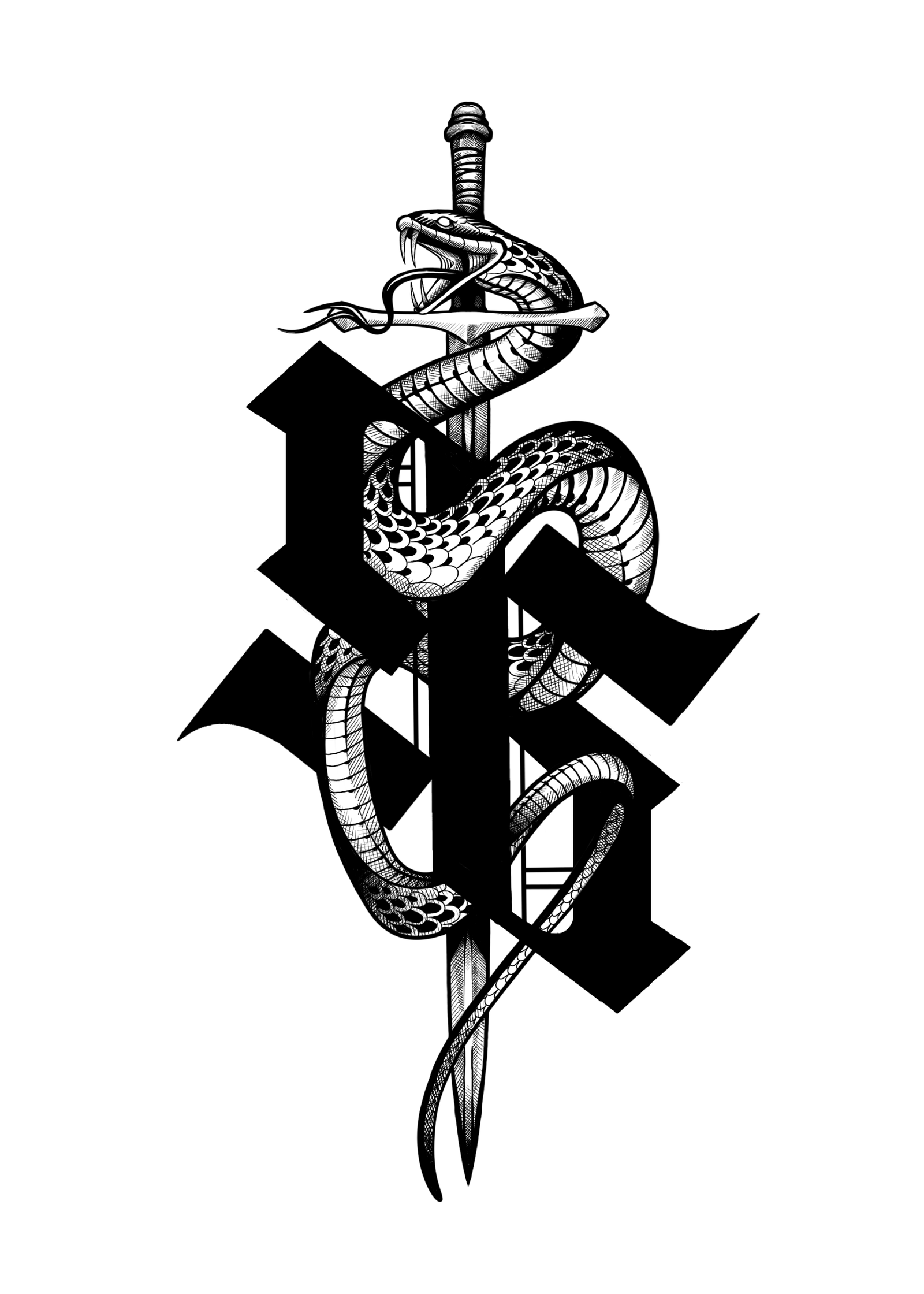
Across centuries of art, myth, and gambling halls, few symbols carry as much weight as the Ace of Spades. It is often called the highest card in the deck, but its meaning runs deeper than simple hierarchy. The Ace of Spades has long been associated with death, fate, endings, and the quiet authority of inevitability. It is a symbol that appears simple on the surface, yet beneath it lies centuries of cultural meaning, superstition, and dark symbolism.
In the modern world the Ace of Spades shows up everywhere, from tattoos to album covers to military lore and fashion. Yet many people who recognize the card have never stopped to ask why it holds such an ominous reputation. The answer lies in the history of playing cards themselves and the strange way symbols evolve over time.
The Origins of the Playing Card Suits
Playing cards originated long before modern casinos or poker tables existed. Most historians believe card games first appeared in China during the Tang dynasty and slowly spread west through trade routes into the Islamic world and eventually Europe during the late Middle Ages.
When playing cards reached Europe, the suits evolved into forms that people would recognize today. French card makers eventually standardized the familiar four suits: hearts, diamonds, clubs, and spades. Each suit represented different aspects of medieval society.
Hearts symbolized the clergy or matters of faith and emotion. Diamonds were tied to merchants and wealth. Clubs represented agriculture and labor. Spades were often linked to weapons, nobility, and conflict. Even in these early interpretations, the spade carried a darker tone than the other suits.
The symbol itself is believed to have evolved from the shape of a spearhead or a digging tool. In French the suit is called “pique,” meaning pike or spear. In Italian and Spanish decks it is called “spada,” meaning sword. Both meanings connect the suit directly to violence, warfare, and the tools used to dig graves.
From the beginning, the spade suit was quietly tied to mortality.
Why the Ace Became the Most Powerful Card
The Ace did not always hold the position of power it does today. In early card games, the Ace was originally considered the lowest card in the deck, representing the number one. Over time, certain games elevated the Ace to the highest rank.
By the 1600s and 1700s, many European games had begun treating the Ace as the dominant card, especially in trick-taking games. The idea of a single card outranking kings and queens added tension and unpredictability to gameplay.
When the Ace became the strongest card, the Ace of Spades naturally took on a special significance. Since the spade suit already carried associations with conflict and death, the highest spade became a symbol of final authority.
It represented the last word in the deck.
The card that outranked all others.
The Strange History of the Ace of Spades Tax Stamp
One of the most unusual reasons the Ace of Spades became famous has nothing to do with gambling or symbolism. It was the result of taxation.
In 17th century England, the government imposed a tax on playing cards. Manufacturers were required to print a special stamp on the Ace of Spades to show that the tax had been paid. Because of this regulation, the Ace of Spades became the one card that always carried elaborate markings or decorative designs.
Card makers began creating ornate versions of the Ace of Spades that included company emblems, seals, and artwork. Over time, the card became visually distinct from every other card in the deck.
While the tax eventually disappeared, the tradition remained. Even today, most decks feature a highly stylized Ace of Spades compared to the other cards.
This design tradition reinforced the idea that the Ace of Spades was special.
Not just another card, but the centerpiece of the deck.
The Card of Death
By the 20th century, the Ace of Spades had fully developed its reputation as a symbol of death. This association appeared in many different cultural contexts, but one of the most famous examples occurred during the Vietnam War.
American soldiers reportedly left Ace of Spades cards on the bodies of fallen enemies or in villages they had passed through. The belief was that the card would act as a psychological symbol of death and intimidation. While the exact scale of this practice is debated, it became deeply embedded in military folklore.
Because of this history, the Ace of Spades earned a nickname among soldiers: the Death Card.
From that point forward, the card’s symbolism was cemented in popular culture.
Heavy metal bands, biker clubs, and tattoo artists embraced the imagery. The card became a symbol of risk, defiance, mortality, and confrontation with fate.
It was no longer just part of a game.
It had become an icon.
The Ace of Spades in Art and Culture
The Ace of Spades appears frequently in music, film, and visual art because it captures something fundamental about human nature: our fascination with danger and the unknown.
One of the most famous cultural references comes from the legendary band Motörhead and their song “Ace of Spades,” which celebrates risk-taking and living without fear of consequences. The card became a metaphor for betting everything on a single moment.
In tattoo culture, the Ace of Spades often symbolizes strength, rebellion, or acceptance of mortality. Some interpret it as a reminder that life is temporary and that one must live boldly while they can.
Artists also use the card to represent inevitability. In storytelling, the Ace of Spades can symbolize the final move in a game or the moment when fate reveals itself.
It is the card that ends the story.
Symbolism in the Ninth Gate Aesthetic
Within the world of dark art and mythology-inspired design, the Ace of Spades holds an especially powerful meaning. It represents the moment when illusion falls away and truth reveals itself.
The spade shape resembles both a spear and a grave marker. It is a symbol that points downward, into the earth, where endings return to beginnings.
In this sense the Ace of Spades is not merely about death in a literal sense. It represents transformation. Every ending creates space for something new to emerge.
In many mythological traditions, death is not the opposite of life but a stage within a larger cycle. The Ace of Spades embodies that transition. It stands at the threshold between what was and what comes next.
It is the final card, but also the first.
Why the Symbol Still Matters
Symbols endure because they capture universal ideas. The Ace of Spades has survived centuries because it speaks to something every person eventually confronts: the reality of fate.
Life contains uncertainty, risk, and endings we cannot control. The Ace of Spades reminds us that even kings and queens eventually fall.
Yet the card also represents courage.
To draw the Ace of Spades is to face the final outcome with clarity. It is the moment when the game reveals its truth.
In art and storytelling, that moment carries weight. It forces characters and viewers alike to confront the deeper themes of mortality, power, and consequence.
The Final Card
In the end, the Ace of Spades remains the most mysterious card in the deck. It is simple in form yet layered with meaning built over hundreds of years.
It has been a tax stamp, a symbol of intimidation, a badge of rebellion, and an icon of dark art. Across cultures and generations, the card continues to represent the ultimate turning point.
The Ace of Spades reminds us that every game has a final move.
Every story has a final page.
And every life carries moments where fate reveals itself without hesitation.
The card does not ask permission.
It simply appears when the time comes.
The last card in the hand.
The last breath before silence.
The Ace of Spades.